Lorraine Discover the wine region and its appellations
Presentation
Located in northeastern France, Lorraine is a little-known wine region rich in character and authenticity. Although modest in size, with approximately 150 hectares of vineyards, Lorraine offers a diversity of landscapes and wines that make it a wine destination full of surprises. From Metz to Toul, passing through the vineyards of the Côtes de Toul and Côtes de Meuse, Lorraine invites a unique sensory exploration. Thanks to its continental climate and rich soils, Lorraine produces wines of great finesse and remarkable authenticity.
A Resilient and Preserved Wine History
From Gallo-Roman origins to the wine renaissance
Lorraine's winemaking history dates back to the Gallo-Roman era, when the first vines were planted. However, viticulture has experienced periods of decline, particularly due to wars and epidemics. In the 20th century, Lorraine saw a renaissance in its viticulture, thanks to the passion and determination of local winemakers who revived the vineyards. Today, Lorraine produces wines that reflect its resilient history and unique terroir.
A cultural and historical heritage
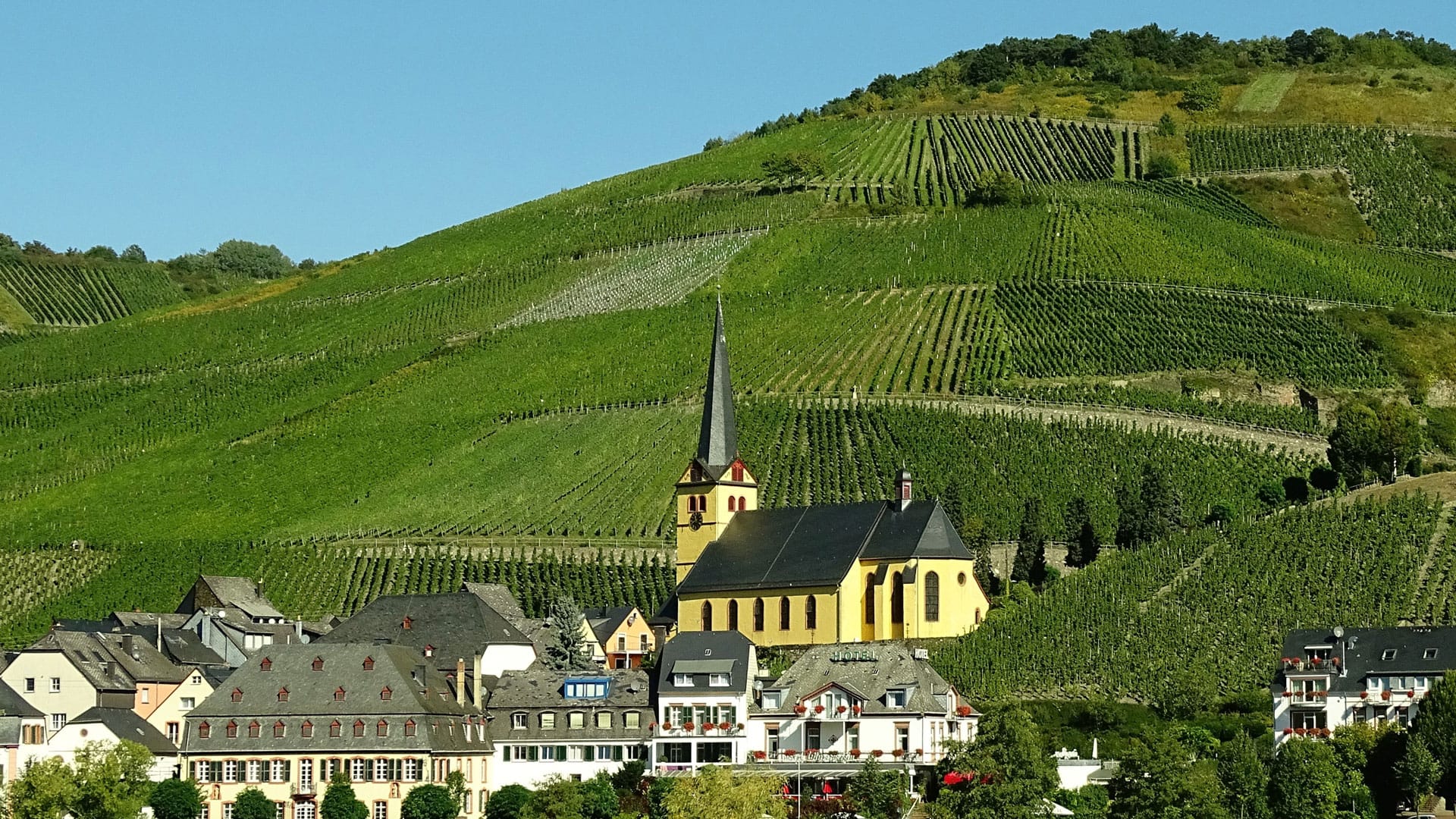
Lorraine is also rich in exceptional cultural and historical heritage. The cities of Metz and Nancy, with their remarkable architecture, bear witness to a rich and preserved history. The varied landscapes, ranging from the dense forests of the Vosges to hillside vineyards, add to the region's charm. The vineyards, often located on sunny hillsides, offer picturesque panoramas.
Terroirs with Strong Identities
Each terroir in Lorraine has its own distinct identity, shaped by centuries of winemaking tradition. From the terraced vineyards of the Côtes de Toul to the sun-drenched hillsides of the Côtes de Meuse, the region is dotted with wine estates where winemakers perpetuate ancestral expertise. Lorraine wines embody the historical and cultural richness that makes them so unique.
An Exceptional Terroir: Diversity and Authenticity
A contrasting continental climate
Lorraine's climate is a major asset for viticulture. The region enjoys a continental climate, with hot summers and cold winters. This climatic diversity allows for the cultivation of suitable grape varieties, such as Auxerrois and Pinot Noir, which thrive in these lands.
A Varied Geology for Unique Wines
Lorraine is characterized by a geological diversity that gives its wines unique characteristics. The limestone soils of the Côtes de Toul and the clay-limestone soils of the Côtes de Meuse are examples of this geological richness. This variety of soils contributes to the expression of multiple facets in the wines, whether in terms of structure, fruitiness, or minerality.
Emblematic Grape Varieties
The grape varieties of Lorraine reflect the geographical and climatic diversity of the region.Auxerrois is the emblematic grape variety for white wines, producing dry and aromatic wines. Pinot Noir is typical of red wines, offering light and fruity wines. The Gamay is also present, producing fresh and delicious red wines. These grape varieties, cultivated with passion by Lorraine winegrowers, give rise to authentic wines full of character.